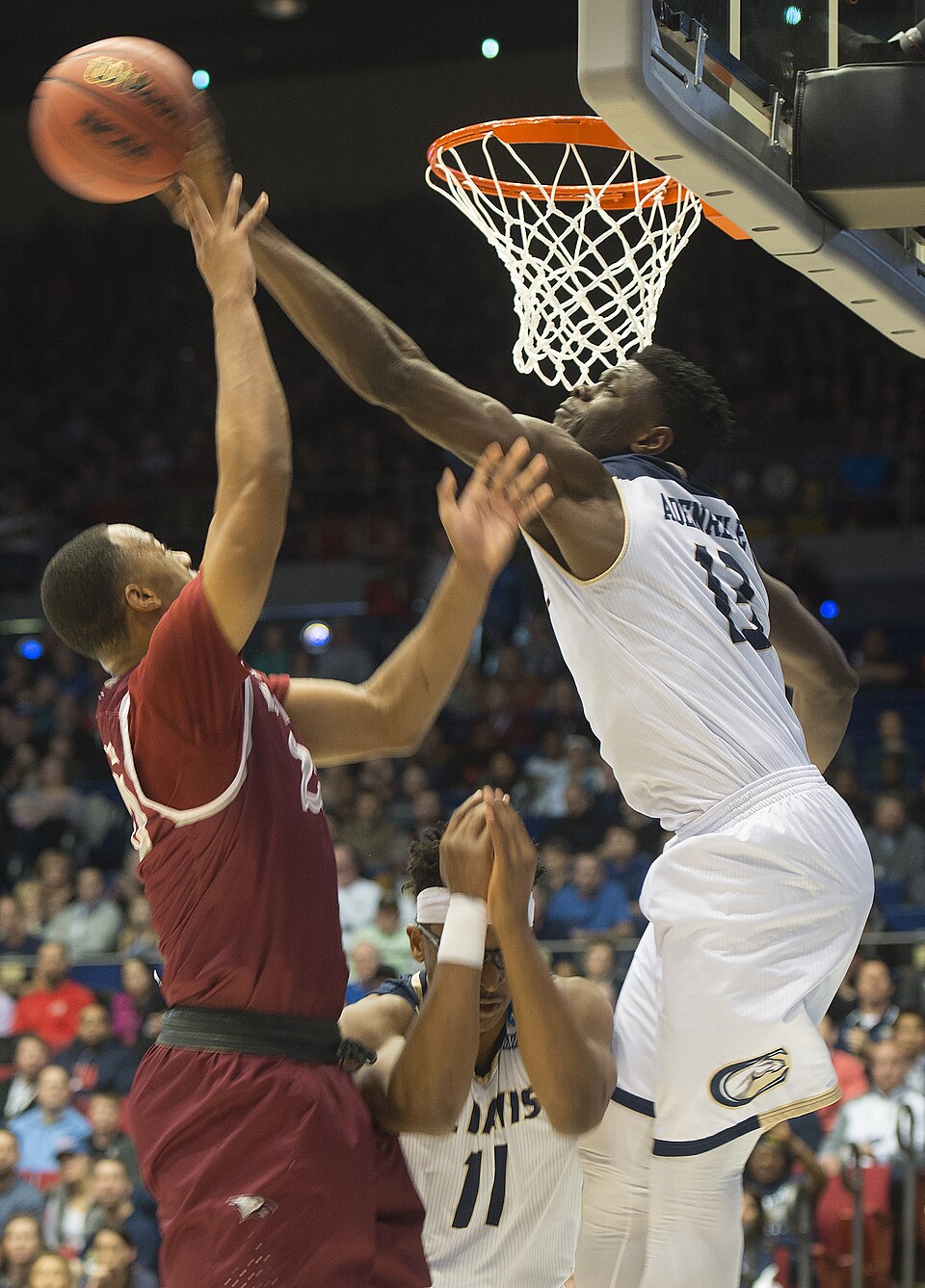
The roar of the crowd, the dramatic buzzer-beaters, the heart-stopping upsets – March Madness isn't just a tournament; it's a national phenomenon. And while most fans eagerly await the bracket's official tip-off on Thursday, the madness truly begins a couple of days earlier with the electrifying First Four. Often viewed as merely an appetizer to the main course, these play-in games are far more than a trivial diversion; they are a crucial, high-stakes prelude that sets the tone for the entire NCAA Tournament. For avid bracketologists and casual fans alike, understanding the significance and following the ncaa first four schedule is paramount to fully immersing oneself in college basketball's biggest event.
The Genesis of the First Four: Expanding the Madness
The NCAA Tournament underwent a significant expansion in 2011, growing from a 64-team field to a colossal 68. This growth necessitated a new mechanism to whittle the field down to the traditional 64-team bracket for the first round. Thus, the First Four was born. Held annually in Dayton, Ohio, these games serve as play-in contests, featuring a specific mix of teams:
- Four Lowest-Ranked No. 16 Seeds: These are typically the automatic qualifiers from smaller conferences, often referred to as "mid-majors." They battle it out for two spots in the main 16-seed line.
- Final Four At-Large Teams: These are teams that didn't win their conference tournaments but earned a bid based on their regular-season performance and resume. Often hovering on the bubble, they compete for the final two spots, usually on the No. 11 or No. 12 seed lines.
This format ensures that every team earning a bid, whether automatic or at-large, gets a fair shot at the "Big Dance." It also adds two extra days of high-stakes basketball, extending the excitement and offering more opportunities for underdog stories to begin.
Beyond the Bracket: Why Every Game Counts
To dismiss the First Four as insignificant would be to ignore a decade-plus of thrilling basketball and historic upsets. These aren't just warm-up games; they are do-or-die contests where dreams are forged or shattered in front of a national audience. The stakes are incredibly high, as the winners advance to face some of the top teams in the country, while the losers pack their bags.
The Road to History Begins in Dayton
The First Four has a storied history of producing teams that make deep runs into the tournament, proving that momentum can start early:
- VCU's Cinderella Story (2011): In the very first year of the First Four, VCU, an 11-seed, not only won its play-in game but went all the way to the Final Four, captivating the nation with their improbable journey. This established the First Four as a legitimate springboard for success.
- Fairleigh Dickinson's Giant Killing (2023): Just a few years ago, a No. 16 seed from the First Four, Fairleigh Dickinson, accomplished what only one other 16-seed had done before: beat a No. 1 seed (Purdue). This monumental upset cemented the First Four's role in the tournament's lore and reminded everyone that true madness can begin anywhere.
These examples highlight why the First Four is so much more than just an appetizer. It's where potential Cinderellas are discovered, where competitive teams fight for their tournament lives, and where fans get their first taste of the unforgettable drama that defines March Madness. The "Dayton Difference" at UD Arena, the traditional host site, adds to this unique atmosphere. Known for its passionate fanbase and intimate setting, Dayton provides a perfect crucible for these high-pressure, early-tournament clashes.
Unpacking the 2024 First Four Matchups & The Crucial NCAA First Four Schedule
The First Four unfolds over two days, typically Tuesday and Wednesday, before the full first round kicks off on Thursday. It features four distinct matchups: two between No. 16 seeds and two between No. 11 seeds (or sometimes No. 12 seeds, depending on the at-large selections). These games are crucial for anyone looking to complete their brackets or simply enjoy every moment of the tournament.
For instance, in a recent First Four, fans witnessed incredible action on Tuesday, with nail-biting finishes like No. 16 Howard beating No. 16 UMBC 86-83, and No. 11 Texas taking a thriller against No. 11 North Carolina State with a 68-66 victory. These kinds of matchups are typical for the First Four, showcasing a blend of determined mid-major programs and Power Four teams with middling resumes fighting for their tournament lives.
The intensity continues into Wednesday with more play-in games deciding the final spots. Understanding the ncaa first four schedule is vital for fans who want to catch every tip-off. Games are typically split between early and late evening slots, allowing for a concentrated dose of basketball action. You'll often find these games broadcast on channels like TruTV, making them accessible to a broad audience eager to start their March Madness journey.
The Road Ahead: Who Plays Whom?
The winners of the First Four games don't just get to advance; they immediately face some of the toughest challenges in the tournament. For instance, the winner of a No. 16 seed matchup might go on to play a top-ranked No. 1 seed, a David vs. Goliath scenario that every fan anticipates. Similarly, the victors of the 11-seed matchups often find themselves pitted against formidable opponents, offering immediate opportunities for more upsets.
For example, in a recent tournament, the winner of the Howard/UMBC game advanced to play Michigan, while the Texas/NC State victor earned a date with BYU. The winner of Prairie View A&M vs. Lehigh was set to face Florida, and the Miami (Ohio) vs. SMU winner looked ahead to a tough challenge against Tennessee. These next-round pairings instantly raise the stakes and provide fascinating narratives from the moment the First Four concludes.
The Broadcast Experience: Voices of the Madness
Adding to the excitement, the First Four games are often graced by a rotating cast of beloved commentators and analysts who bring their unique insights and enthusiasm to the telecasts. From experienced play-by-play announcers like Brian Anderson to charismatic analysts such as Charles Barkley and Dick Vitale, the broadcast teams elevate the viewing experience. Their passion and knowledge help frame the narratives and highlight the key moments that define these early tournament games, getting fans ready for the whirlwind of basketball that follows.
Your Guide to Navigating the Early Madness
For fans, the First Four offers an unparalleled opportunity to get a jump start on the March Madness experience. Here are some tips to make the most of it:
- Mark Your Calendars: Keep a close eye on the NCAA First Four Schedule: Scores, Tip Times, & Where to Watch. Knowing when and where to tune in ensures you won't miss any of the action.
- Submit Your Bracket Wisely: While most brackets are due on Thursday, the outcomes of the First Four games can significantly influence how you fill out your bracket. Don't underestimate the potential of these play-in winners!
- Embrace the Underdogs: The First Four is a breeding ground for Cinderella stories. Pay attention to the mid-major teams; their grit and determination can often lead to unexpected victories.
- Learn About the Teams: Dig deeper than just the seed numbers. Research the NCAA First Four: Teams, Seeds & Full Schedule from Dayton to understand their strengths, weaknesses, and recent performance. This can give you an edge in predicting outcomes.
- Enjoy the Commentary: The broadcast teams are a big part of the fun. Listen to their analysis for insights and enjoy their colorful commentary that often captures the spirit of March Madness.
The NCAA First Four is far more than a preamble; it's an integral, thrilling component of March Madness. It's where the first shots are fired, where the initial upsets brew, and where the energy for college basketball's biggest spectacle truly ignites. By understanding its format, appreciating its history, and following the crucial ncaa first four schedule, fans can fully immerse themselves in the excitement and unpredictability that makes the NCAA Tournament the most captivating event in sports.